
Skip to content
  • Free written quotes
  • Local painters
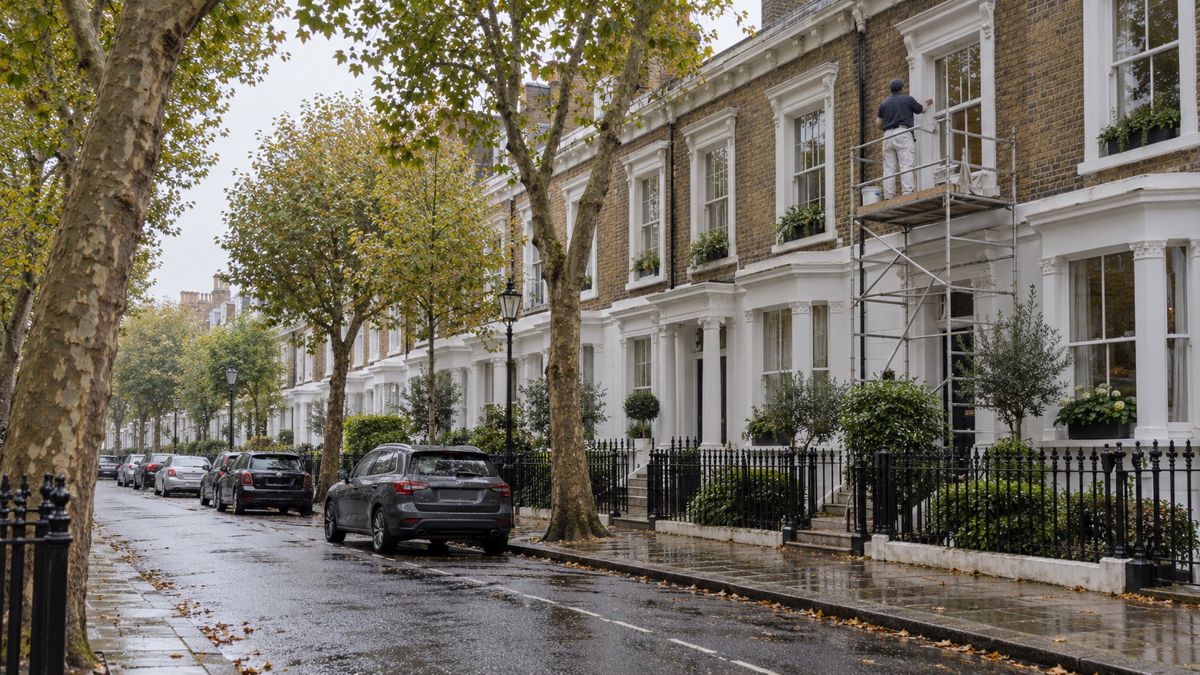
Row of Victorian London terraces with fresh white painted stucco and scaffolding

Georgian terraces and conservation areas

Painters in Islington, London

Exterior, interior, kitchen cabinet, deck and commercial painting for Islington. Send a few photos with your request and we confirm availability.

  • Terraces, flats, semis and shops
  • Written quote before work starts
  • Careful preparation, then paint
  • Free written quotes
  • Local painters
  • Careful prep
  • Tidy finish

What Islington homes tend to ask for

Islington is full of Georgian and Victorian terraces, many of them divided into flats. Stucco-fronted ground floors, tall sash windows, plaster cornices and generous ceiling heights are part of the character, and they also set the painting brief. Owners usually want a tired hallway lifted, a front elevation refreshed or a set of windows and a front door brought back to a clean finish.

Most work here involves older surfaces that have been painted many times. That makes preparation the real job. Flaking layers, hairline plaster cracks and damp patches need attention before any new coat goes on, or the finish will not last.

Streets, parking and access around Barnsbury and Canonbury

Upper Street, Essex Road and the Caledonian Road bring plenty of traffic, while the squares and side streets around Barnsbury and Canonbury are quieter and lined with period houses. Parking is controlled in most of the borough, and a van with ladders and sheets still needs somewhere to stop.

Tall frontages often call for scaffold or a tower. If it sits on the public pavement, the council's permission is usually needed, which affects timing. Narrow hallways and steep stairs in converted houses also shape how we protect floors and carry materials. We plan for these points early so the day does not turn into a series of delays.

Painting services for Islington properties

We cover the whole range of painting for homes, shops and shared buildings in the borough.

  • Exterior painting for stucco, brick, sash windows, doors, railings and fascias on terraces and period fronts.
  • Interior painting for tall rooms, stairwells, hallways and whole flats, with careful cutting in around cornices and mouldings.
  • Kitchen cabinet painting for compact Victorian kitchens that need a new colour without a replacement.
  • Deck staining for small rear gardens and roof terraces that stay damp.
  • Commercial painting for restaurants, shops and offices along the high streets, often done out of hours.

A written quote should show where the time goes. In older houses the answer is usually preparation. Stripping failed paint, filling cracks, treating damp and priming bare areas take longer than the topcoats, and they decide how long the finish will last.

  • Height and access. High ceilings and tall fronts add scaffold or tower time.
  • Surface condition. Flaking stucco or cracked plaster needs repair first.
  • Detail. Cornices, panelled doors and sash windows take longer than flat walls.
  • Paint choice. Breathable masonry paint and durable woodwork finishes cost more than basic emulsion.

Conservation areas, leases and older paint

Large parts of Islington sit within conservation areas, and some buildings are listed. Changing the colour or finish of a front elevation can need consent, and it is worth asking the council before you commit to a scheme. If you rent or own a leasehold flat, the lease and the freeholder may control the outside of the building and communal parts.

Homes built before the 1960s can have lead-based paint under later coats. Our approach is to avoid dry sanding and to use wet methods and proper dust control. Tell us the age of the property when you ask for a quote so we can plan accordingly.

Asking for an Islington quote

Call 020 7946 0840 or send the short form. We work across London and serve Islington, so your request is where we confirm availability for your street and timing.

  1. Say what you want painted and whether it is inside, outside or both.
  2. Mention if the building is listed, in a conservation area or part of a lease.
  3. Send photos of the surfaces, including any flaking, cracks or stains.
  4. We visit to check the walls, access and condition.
  5. You receive a written quote listing preparation, coats and paint.

Colour choices and dates are agreed before work starts.

Get a quote in Islington

Tell us what you need and we call you back.

Step 1 of 3

What needs painting?

No obligation.

Questions about Islington

Do I need permission to repaint the front of my Islington house?

It depends. In a conservation area or on a listed building, changing the colour or finish of the front can need consent, and flats may be covered by the lease. Repainting in the same colour is often simpler, but it is still worth checking. We can describe the planned work in writing for the council or your freeholder.

How do you deal with old plaster and hairline cracks?

We scrape loose areas, fill cracks with a flexible filler that can move slightly, sand lightly with dust control and prime bare patches before the main coats. Deep or widening cracks may point to movement or damp, which needs a builder or surveyor rather than paint. We say so when we see signs of that.

Can you paint sash windows without sticking them shut?

Yes, with care. The sashes are eased, prepared and painted in stages, and moved while the paint is still workable so they do not bond to the frame. Old paint build-up sometimes needs removing first. Windows with rot or failed putty are better repaired before painting, and we point those out.

Is it worth painting the stucco if the paint is peeling?

Peeling usually means moisture or poor preparation under the old coat. Repainting over it without fixing the cause tends to fail again. We remove loose paint, repair damaged render, let it dry and use a breathable masonry paint. If damp keeps returning, the source needs tracing first.

Can you work around tenants or a business that stays open?

Often, yes. We can plan rooms or floors in sequence, keep walkways clear and, for commercial premises, work early, late or at weekends. Tell us who uses the building and when. For shared flat entrances, we give neighbours notice and tidy the area at the end of each day.